+1 570.656.4890

The thrill of uncertainty is a key driver of human behavior, especially in environments designed for gambling. When players step into a casino, they are often entranced by the allure of chance and the possibility of an unexpected windfall. This attraction to risk can be traced back to our evolutionary instincts, where taking risks may have led to greater rewards in survival. In modern times, this translates into the excitement of not knowing whether the next spin of the roulette wheel or the next pull of a slot machine lever will yield a big payout, as many players seek out casino sites fast withdrawal options to enhance their gaming experience. The unpredictability of outcomes creates an adrenaline rush that many find irresistible.
The psychology of risk-taking is compounded by the concept of loss aversion, where individuals tend to prefer avoiding losses rather than acquiring equivalent gains. This means that the fear of losing money can generate anxiety and lead players to chase their losses, often resulting in extended playtime. For instance, a player may initially set a budget, but the thrill of the game combined with the urge to recover previous losses may push them to exceed their limits. This cycle can be detrimental, as it leads to emotional decision-making, where the desire to win overrides rational financial considerations.
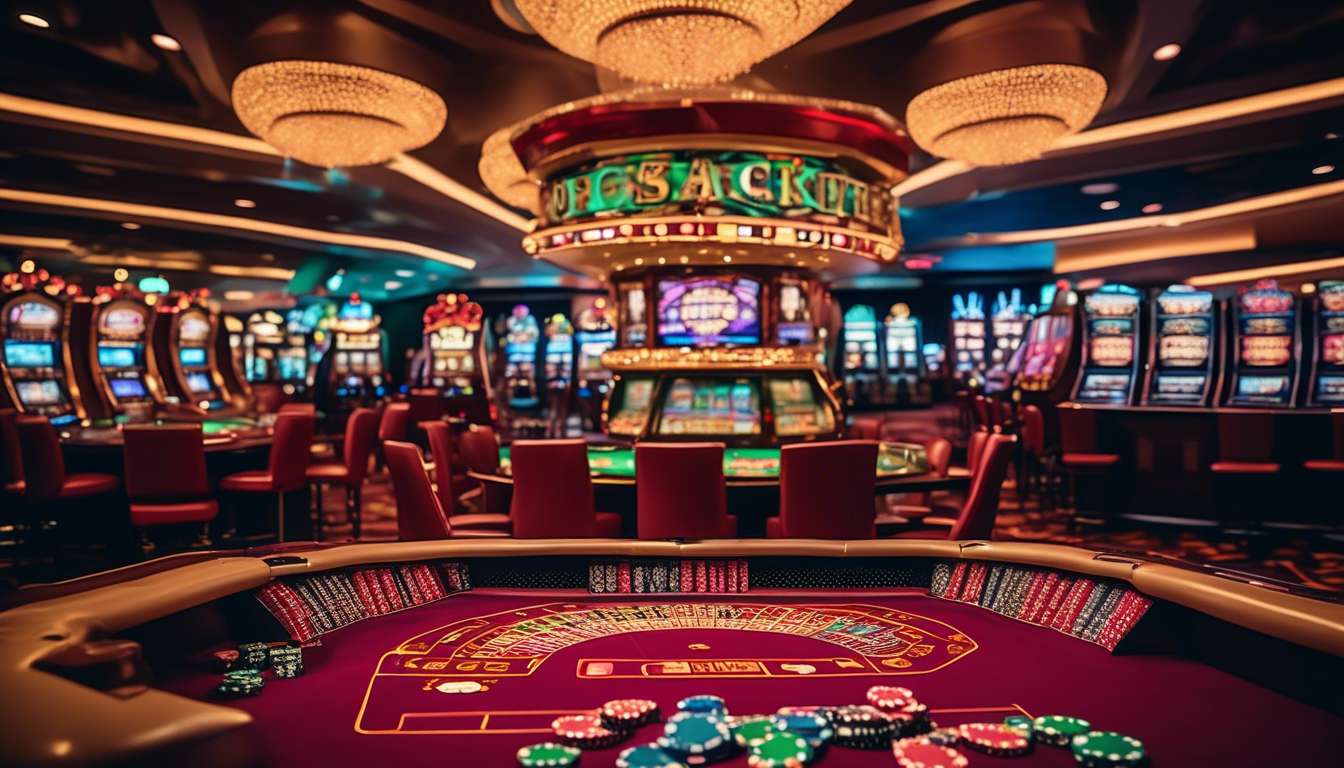
Furthermore, casinos leverage this understanding of human psychology by crafting their environments to enhance feelings of excitement and anticipation. Bright lights, engaging sounds, and strategically placed games are all designed to keep players in a heightened state of arousal. This sensory overload can obscure rational thinking, making it easier for players to succumb to the thrill of potential rewards while ignoring the mathematical probabilities that often favor the house. This manipulation of the senses creates an immersive experience that can lead to prolonged gambling sessions, often blurring the lines between entertainment and compulsion.
Reinforcement plays a significant role in player behavior within casinos. This concept, derived from behavioral psychology, suggests that behaviors are more likely to be repeated if they are followed by rewarding experiences. In a casino setting, the intermittent reinforcement schedule—where rewards are delivered unpredictably—creates a cycle of excitement and expectation. Each win, regardless of its size, reinforces the player’s behavior, making them more likely to continue gambling. The unpredictability of these rewards keeps players engaged, as they are left wondering when their next win might come.
Slot machines are a prime example of this principle at work. The anticipation built up during the spinning of the reels, followed by the rush of a win, creates a thrill that can be addictive. Even small payouts can produce feelings of elation, which reinforces the action of pulling the lever or pressing the button. Over time, players may develop a conditioned response, where the act of gambling itself becomes associated with pleasure and excitement, leading to continued participation regardless of the financial outcomes. The brain releases dopamine in response to these wins, further solidifying the connection between gambling and reward.
Moreover, the psychological concept of the “near miss” is particularly powerful in gambling behavior. A player might come close to winning, such as observing two matching symbols and missing the third, which can generate a surge of hope and motivation to keep playing. Even when losses occur, these near wins can create an illusion of just being one step away from a big prize, which can perpetuate gambling behavior and lead players to ignore the financial ramifications. This phenomenon is so impactful that it can lead players to perceive themselves as more skilled than they are, increasing their likelihood of continued play.
The social aspect of gambling cannot be underestimated. Many players view casinos not just as places to gamble, but as social environments where they can connect with others. Engaging with fellow players, sharing experiences, and even competing can enhance the overall gambling experience. The camaraderie found at poker tables or during collective events can foster a sense of belonging, encouraging individuals to return to the casino more frequently. This social connectivity can be a major draw, as many people seek social interaction in their leisure activities.
This social interaction is often amplified by the concept of social proof, where individuals are influenced by the actions of others. For instance, if a player witnesses others winning big at a certain game, they might feel compelled to join in, believing that luck is on their side. This phenomenon can lead to an environment where excitement is contagious, further driving participation and engagement in gambling behavior. The shared thrill of winning and the collective energy can create a vibrant atmosphere that keeps players coming back.
However, the social dynamic doesn’t just enhance positive experiences; it can also create a competitive atmosphere that encourages excessive play. Players may feel pressure to keep up with friends or peers, leading them to gamble more than they initially intended. This creates a unique social cycle where the excitement of sharing wins alongside the nagging feeling of needing to commit more resources to maintain social standings can lead to detrimental financial behavior. The competition can heighten emotions, making it easier to lose sight of personal limits and responsible gambling practices.
The physical design of a casino is meticulously crafted to maximize player engagement and prolong their stay. From the layout of games to the presence of amenities, each element is carefully considered to create an immersive experience. Casinos often employ a lack of clocks and windows to obscure the passage of time, encouraging players to lose track of their sessions and, by extension, their spending. This design strategy can lead players to remain engaged for longer periods than initially planned, contributing to increased gambling activity.

Moreover, the ambient atmosphere in a casino plays a critical role in shaping player behavior. The use of enticing aromas, vibrant colors, and carefully controlled lighting can create an inviting environment that fosters prolonged gambling. This sensory mapping leads to a psychological state where players may feel more relaxed and carefree, reducing their financial inhibitions and encouraging them to wager more than they originally planned. The combination of these elements creates a setting that feels safe and exhilarating, further enhancing the desire to gamble.
The design of games themselves further influences behavior. For example, games with visually stimulating graphics and exciting sound effects can create a more engaging experience, making players less aware of time and money spent. This combination of environmental cues and game design can lead to a heightened state of arousal, reinforcing gambling behaviors and making it challenging for players to disengage, even when they are on a losing streak. The overall sensory experience is meticulously engineered to captivate players and keep them in a state of excitement.
In light of the powerful psychological influences at play in gambling behaviors, it is vital for players to understand the importance of responsible gaming. Casinos have increasingly recognized their role in promoting safe gaming practices by providing resources and support for individuals who may be at risk of developing gambling issues. This includes offering information on setting limits, recognizing signs of problem gambling, and providing access to counseling services. These proactive measures are essential in creating a safer gambling environment.
Furthermore, awareness campaigns aimed at educating individuals about the psychological factors that can lead to unhealthy gambling behaviors are crucial. By fostering a greater understanding of the psychological mechanics behind gambling, individuals can become more conscious of their actions and the potential risks involved. This knowledge empowers players to make informed choices and encourages a culture of accountability within the gambling community. Education and awareness can serve as protective factors against the allure of gambling.
Ultimately, creating an environment that supports responsible gaming benefits both players and the industry. When individuals can enjoy the thrill of gaming without succumbing to harmful behaviors, it fosters a positive atmosphere where entertainment can thrive. As casinos continue to evolve, the emphasis on psychology and player behavior will play a pivotal role in shaping future policies and practices aimed at promoting healthy gaming habits. By prioritizing responsible gaming, the industry can ensure sustainable growth while safeguarding the interests of its patrons.
Mitos sobre cassinos desvendados O mundo dos casinos é frequentemente envolto em mitos e mal-entendidos que podem influenciar a perceção dos j...
Read MoreCasino Online Deutschland 2026 ️ Beste Deutsche Online Casino ️ Damit haben Sie bei uns mehr Casino Spiele kostenlos zur Auswahl, a...
Read MoreIl 2026 segna una svolta decisiva per i pagamenti nei casinò online: la diffusione di wallet digitali, la crescente domanda di transazioni istan...
Read More
Sorry, the comment form is closed at this time.